


Heat Pump Water Heaters Explained
July 24, 2026
Peachtree City, GA
Heat Pump Water Heaters Explained: How They Work, What They Cost, and What Homeowners Ask
As homeowners look for more efficient ways for domestic water heating, heat pump water heaters are becoming more common in both replacement and new home construction. This is being driven by a move towards electrification. In parts of the country, electricity is the preferred option, and in some cases, building codes and local regulations are limiting gas altogether. For plumbers, that means being ready with clear, practical answers homeowners can understand and trust. Here are five of the most common questions and how to answer them with confidence.
What is a heat pump water heater and how does it work?
A heat pump water heater does not create heat like a standard electric tank. Instead, it pulls heat from the surrounding air and transfers it into the water. Think of it like a refrigerator in reverse. Instead of removing heat, it captures and concentrates it.
According to the U.S. Department of Energy (DOE), heat pump water heaters can be two to three times more energy efficient than conventional electric resistance water heaters.
For homeowners, the takeaway is simple. It’s still electric, but it uses that electricity far more efficiently by moving heat instead of generating it.
Do heat pump water heaters really save money?
Yes, and the numbers make it clear. The DOE notes that ENERGY STAR certified heat pump water heaters can save a typical household of four $550 per year, or about $45 per month in reduced energy costs. For homeowners, that can make a noticeable difference in monthly utility bills while improving overall efficiency.
Water heating accounts for nearly 20 percent of a home’s energy use, which is why efficiency gains here matter.¹
There’s also another layer to the savings story. Many homeowners may qualify for utility rebates or local incentives that can significantly reduce upfront costs. Programs tied to federal energy policy and local utilities can meaningfully lower the cost of upgrading. For PROs, bringing this up early helps shift the conversation from upfront price to long term value. Homeowners can explore available heat pump water heater rebates and incentives here: energystar.gov/rebate-finder.
Where can a heat pump water heater be installed?
Heat pump water heaters can work in a range of climates, but installation location plays an important role in performance. Heat pumps do best in spaces with steady temperatures and enough air volume, such as garages, basements or utility rooms where temperatures stay between 40°F and 90°F.²
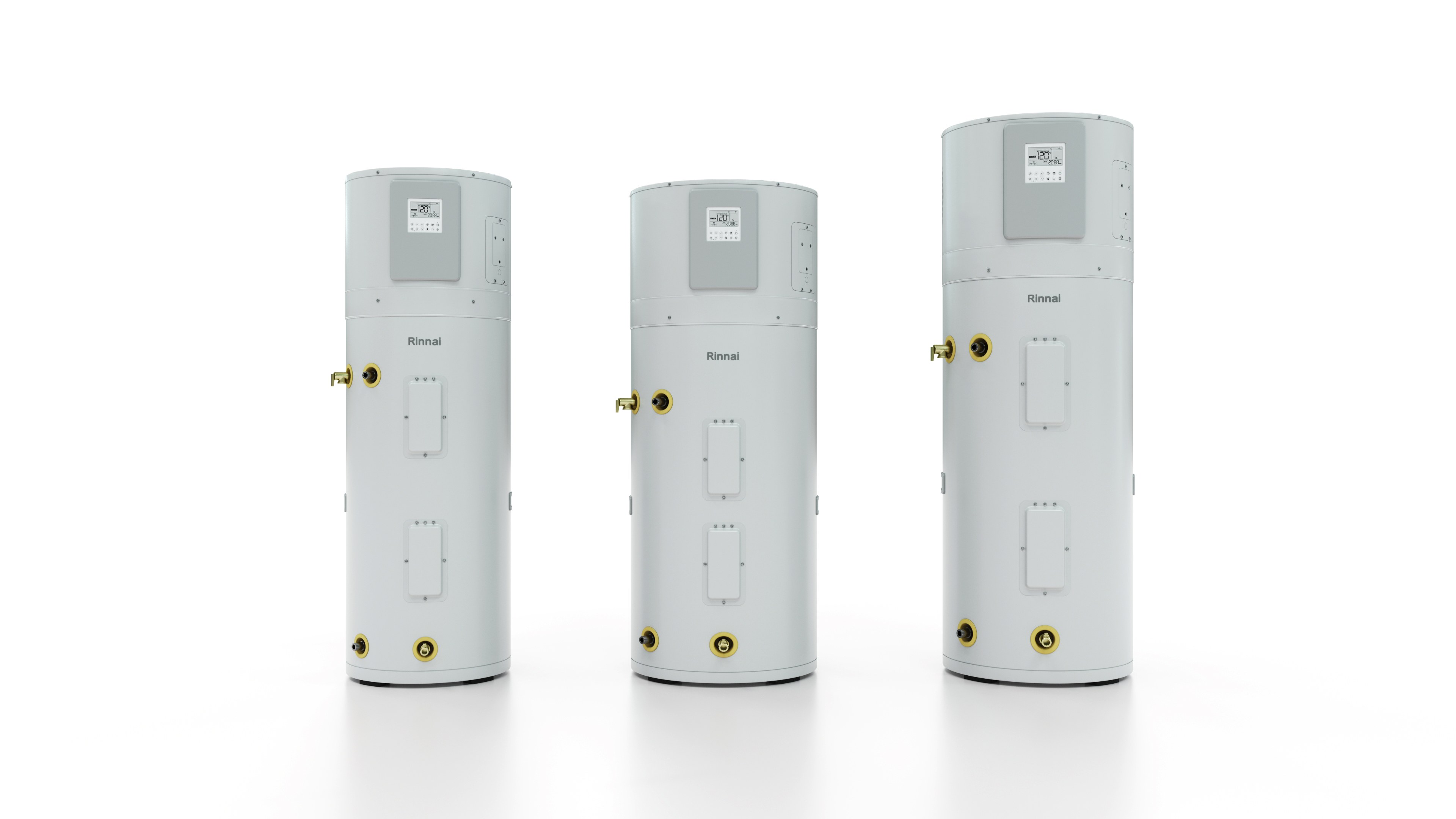
Installation flexibility has improved, and this is where product design matters. For example, the Rinnai REHP Series Electric Heat Pump water heaters are designed with zero clearance at the top and integrated side handles, making it easier to install in tighter spaces.
For PROs, proper placement is critical. A well-placed unit performs better, lasts longer and delivers on the efficiency promise homeowners expect.
Industry professionals are also beginning to highlight how installation quality and mechanical room planning can impact long-term performance. In a recent project walkthrough, builder Matt Risinger featured the Rinnai REHP Series as part of a high-performance home build, pointing to both the efficiency benefits and the clean mechanical room integration that today’s homeowners increasingly expect.
How does it perform day to day?
Heat pump water heaters are designed to balance efficiency with real world demand. Most of the time, they operate in an energy saving mode that prioritizes efficiency. When hot water demand increases, the system can shift to higher output modes to keep up.
Some in the industry refer to this type of system as a “hybrid heat pump water heater,” meaning it combines heat pump operation with electric resistance support. More importantly, for homeowners, it simply means the unit can adapt based on usage.
Rinnai REHP models follow this approach with multiple operating modes that adjust based on demand. Plumbing industry professionals like Eric Aune have also highlighted how these systems can help balance efficiency, usability and installation flexibility in modern residential projects. This means homeowners get efficient operation during normal use and consistent performance when demand spikes.
Another important factor is sound. Rinnai REHP units use a variable speed fan for quiet operation, often described as whisper quiet, which makes them well suited for installation in utility rooms or near living spaces.
What maintenance is required?
Maintenance is straightforward. In addition to standard tank maintenance, homeowners should clean air filters regularly and ensure proper airflow around the unit.
Installation location and airflow are key to long term efficiency and performance.
For PROs, this reinforces following good installation practices. When airflow, placement and operating mode are aligned with the home, performance and efficiency follow.
Heat pump water heaters are no longer a niche option. They are becoming a core part of how homeowners think about energy use, cost and long-term performance. For PROs, the opportunity is not just installing the equipment but helping homeowners understand how and why it works.
That same conversation is expanding beyond residential applications. Commercial electric heat pump water heaters are gaining traction in multifamily, hospitality and light commercial settings where efficiency, operating cost and electrification goals are driving decisions at scale.
When you can clearly explain the technology, connect it to real savings and guide proper installation, you’re helping homeowners make informed decisions with greater confidence while reinforcing trust in the process.
To learn more about Rinnai heat pump solutions for both residential and commercial applications, visit rinnai.us/residential/electric-rehp-models or rinnai.us/commercial/rcet-series
References
1 https://www.energy.gov/energysaver/water-heating
2 https://www.energy.gov/energysaver/heat-pump-water-heaters
###